
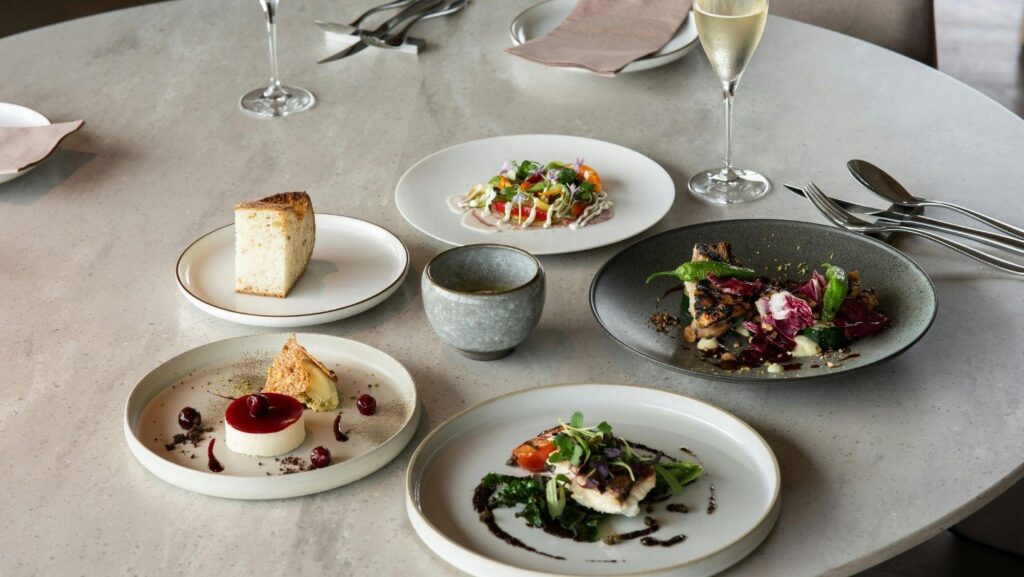
Food has become one of the most powerful reasons people travel. Beyond landmarks and scenery, travellers are increasingly seeking destinations where flavour, tradition, and innovation come together on a plate. Around the world, certain cities stand out for offering truly unique gastronomic experiences—places where eating is not just part of the trip, but the highlight of it.
Tokyo, Japan – Precision, Tradition, and Endless Discovery
Tokyo is one of the world’s most exciting food capitals because of its extraordinary range and attention to detail. From Michelin-starred sushi counters to tiny ramen shops tucked into alleyways, every meal feels intentional. Traditional kaiseki dining showcases seasonal ingredients in carefully balanced courses, while street-level eats like yakitori or takoyaki offer comforting simplicity. What makes Tokyo special is the respect for craftsmanship—whether it’s a bowl of noodles or an elaborate tasting menu, everything is executed with precision.
Lima, Peru – The Fusion Capital of South America
Lima has earned a global reputation as a culinary hotspot where Indigenous ingredients meet global influence. Peruvian cuisine blends Andean traditions with Spanish, African, and Asian flavours, creating something entirely distinctive. Ceviche is the star dish, often served with fresh citrus, chilli, and local seafood. High-end restaurants in Lima push this fusion even further, experimenting with native potatoes, corn varieties, and Amazonian ingredients. Dining here feels like exploring an edible map of Peru’s diverse ecosystems.
Istanbul, Turkey – Where Continents Meet on a Plate
Istanbul offers a food culture shaped by its position between Europe and Asia. Turkish cuisine here is rich, layered, and deeply rooted in history. Visitors can explore bustling markets filled with spices, olives, cheeses, and dried fruits, or sit down for traditional meze spreads paired with grilled meats. Street food is equally essential—simit (sesame bread rings) and döner kebabs are everyday staples. The city’s culinary identity reflects centuries of trade and cultural blending, making every bite feel historic.
Barcelona, Spain – Creative Tapas and Coastal Flavours
Barcelona combines Mediterranean simplicity with bold creativity. The city is famous for its tapas culture, where small plates encourage long, social meals filled with variety. Seafood plays a major role thanks to its coastal location, with dishes like grilled sardines and seafood paella capturing the essence of the Mediterranean. At the same time, modern chefs in Barcelona reinterpret traditional Catalan recipes in innovative ways, turning dining into a blend of heritage and experimentation.
Bangkok, Thailand – Street Food Paradise
Bangkok is often described as the world’s ultimate street food destination. The city’s energy is reflected in its food—bold, spicy, sweet, and sour all at once. Vendors line busy streets serving dishes like pad Thai, green curry, mango sticky rice, and boat noodles. What makes Bangkok exceptional is the accessibility of high-quality food at almost every corner. From night markets to riverside eateries, eating in Bangkok is an immersive sensory experience that never slows down.
Oaxaca, Mexico – Deep Roots and Rich Flavours
Oaxaca is widely considered one of Mexico’s most important culinary regions. Its cuisine is deeply tied to indigenous traditions, especially through ingredients like corn, cacao, and chilli. Mole sauces—complex blends of spices, chocolate, and peppers—are a defining feature of the region. Street markets offer tlayudas, tamales, and freshly made tortillas, all showcasing the depth of local food culture. Oaxaca’s culinary identity is both ancient and evolving, rooted in community and tradition.
Puerto Rico – Caribbean Flavours with a Cultural Twist
Puerto Rico offers a vibrant gastronomic experience shaped by Taíno, Spanish, and African influences. The cuisine is bold, comforting, and deeply tied to local identity. Signature dishes like mofongo—made from mashed plantains, garlic, and pork cracklings—capture the island’s rich culinary heritage, while lechón (slow-roasted pork) is a centerpiece of celebrations and family gatherings. Coastal areas serve freshly caught seafood prepared with tropical spices and citrus, reflecting the island’s geography. Many travellers also enhance their stay by booking Puerto Rico vacation rentals, which allow them to experience local neighbourhoods and coastal towns while staying close to authentic food spots and markets.
Beyond traditional dishes, Puerto Rico’s food scene is also evolving, especially in cities like San Juan, where modern chefs reinterpret classics with contemporary techniques. Local rum production adds another layer to the experience, with distilleries offering tastings that highlight centuries of craftsmanship. Whether dining in a small roadside eatery or a high-end restaurant overlooking the ocean, the island delivers a balance of tradition, creativity, and warmth that defines its unique culinary identity.
Copenhagen, Denmark – New Nordic Innovation
Copenhagen has transformed itself into a global leader in modern gastronomy. The New Nordic movement, which emphasizes local sourcing, sustainability, and seasonal ingredients, has reshaped how people think about fine dining. Restaurants in the city often turn simple ingredients like root vegetables, seafood, and herbs into highly refined dishes. The focus here is on purity of flavour and environmental awareness, making Copenhagen a hub for forward-thinking cuisine.
Marrakech, Morocco – Aromatic and Atmospheric Dining
Marrakech offers a culinary experience defined by spice, aroma, and tradition. Tagines slow-cooked with lamb, prunes, or vegetables are central to Moroccan cuisine, along with couscous and freshly baked bread. The city’s souks are filled with the scent of saffron, cumin, and cinnamon, creating a sensory journey even before you eat. Dining in Marrakech often feels communal and ritualistic, reflecting deep cultural hospitality.
Conclusion
A truly unique gastronomic experience is about more than food—it’s about place, culture, and history expressed through flavour. From the precision of Tokyo to the spice-filled streets of Marrakech, each destination offers something distinct that cannot be replicated elsewhere. For travellers who seek to understand the world through taste, these cities provide unforgettable journeys that begin at the table and linger long after the meal is over.